Coding2 min read
yield in Python
Understanding the yield keyword in Python — how generators work, when to use them, and their key advantages over regular functions.
AI RESEARCHER · ENGINEER · EDUCATOR
I build, research, and teach artificial intelligence.
My work spans foundation models, multimodal AI, computer vision, document intelligence, scholarly information extraction, and technology for African languages. Through Dr. Kabongo, I teach practical AI in English, French, Lingala, Tshiluba, and Swahili.

Research
My research examines how AI systems find, connect, and evaluate evidence across language, documents, images, and scientific literature.
I connect peer-reviewed research with real-world engineering across foundation models, multimodal AI, computer vision, document intelligence, and reliable evaluation. That work includes an issued U.S. patent in image privacy and de-identification.
Research and education are part of the same project: useful AI knowledge should be rigorous, practical, and available beyond English. Through Dr. Kabongo, I teach in English, French, Lingala, Tshiluba, and Swahili.
That conviction also guides my work on DarAkili, a STEM education platform where African professionals publish free mini-courses in their own languages.
Research discovers what is possible. Engineering tests it in the real world. Teaching makes the knowledge travel.
How models use context, retrieve evidence, reason across tasks, and fail in practice.
Systems that understand and connect images, video, text, and other signals.
Turning documents and scientific literature into structured, useful knowledge.
Testing model quality, limitations, and fitness for consequential real-world use.
Data, models, and community-led methods for multilingual and low-resource settings.
Making modern AI understandable and useful across languages and experience levels.
Video
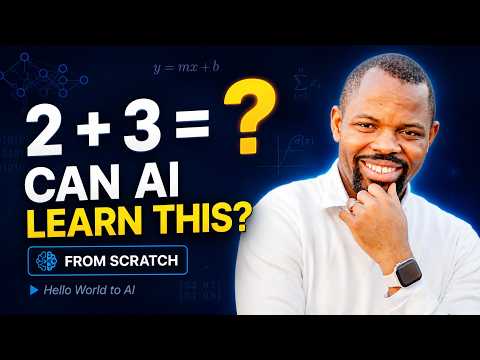
Research explained, practical tools demonstrated, and honest conversations about modern AI — across languages and levels of experience.
@DrKabongo
@DrKabongo
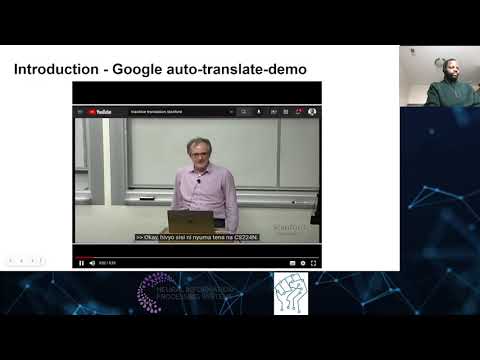
@DrKabongo
@DrKabongoFR
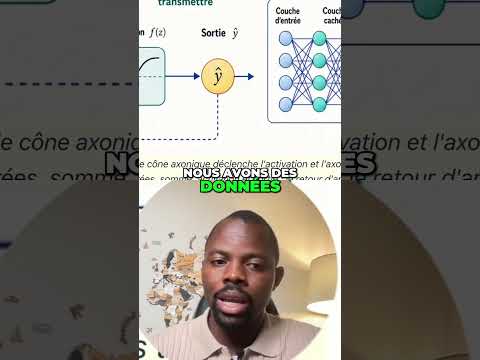
@DrKabongoFR
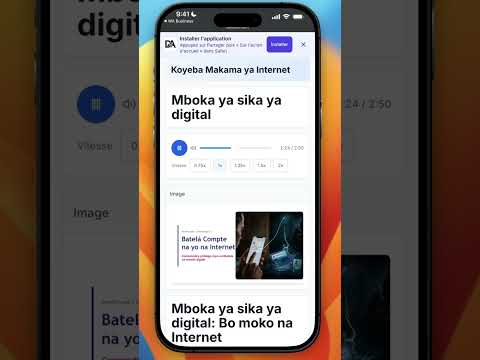
@DrKabongoLingala
Channels
YouTube channels are available in English, French, Lingala, and Tshiluba. Educational content and access on this site also include Swahili.
English
Research walkthroughs, practical AI, and clear explanations of foundation models, multimodal systems, and technical careers.
10 videos
SubscribeFrançais
L'IA expliquée en français, pour la francophonie africaine et mondiale — recherche, carrière et pratique.
5 videos
SubscribeLingála
AI, research and technology explained in Lingala — for Kinshasa, Brazzaville and the diaspora.
1 video
SubscribeTshiluba
AI, research and technology explained in Tshiluba — for Kananga, Mbuji-Mayi and the diaspora.
1 video
SubscribeSpeaking
I speak in English or French to research, technical, and general audiences about modern AI, applied systems, African-language technology, and technical careers.
A clear account of current capabilities, common failure modes, and how to evaluate claims without hype.
How language, vision, video, and documents come together in useful systems — from research choices to real-world trade-offs.
What it takes to build AI with and for multilingual African communities, including data, evaluation, access, and participation.
Practical lessons on finding collaborators, publishing strong work, growing technical judgment, and building a durable career.
Writing
Coding2 min read
Understanding the yield keyword in Python — how generators work, when to use them, and their key advantages over regular functions.
Coding2 min read
A clean Python implementation of the circular queue (ring buffer) data structure that beats 94% of LeetCode submissions.
Mathematics2 min read
A quick primer on two foundational concepts in probability theory that are often confused — mutual exclusivity and collective exhaustiveness.
Contact
Two focused ways to work together, with clear expectations and an email-first process.
Talks, lectures, and panels in English or French for research, technical, and general audiences.
Bounded consultations, written reviews, and workshops for clearly defined AI questions.
Two places to follow the work, ask questions and meet others learning the same things.
Short updates when a new video or article goes out. Broadcast only — no group noise.
Follow the channelWhere the conversation happens: questions, study threads, and help from people further along.
Join the server